2023-26

High-School Biology

The Workshop School

Henry C. Lea Elementary School After-School Program

Grades: 9-12

These custom workshops are tailored for high school biology classrooms, where volunteers lead the sessions. Our partner classrooms provide the topics several weeks in advance, and our design team creates a curriculum based on those topics. Afterward, we gather feedback to refine the content. A team of 3-5 volunteers then facilitates the workshop, ensuring an engaging and educational experience for the students.

Spring 2026

Nature offers proven solutions to complex problems. Inspired by the fields biomimicry and biodesign, students will study living systems to inspire ideas at the intersection of science, art, and design. Each session is structured as a hands-on studio inquiry, beginning with a brief concept overview, followed by studio time with real materials, peer sharing, and iteration.

Selected Workshops

Nature offers proven solutions to complex problems. Inspired by the fields biomimicry and biodesign, students will study living systems to inspire ideas at the intersection of science, art, and design. Each session is structured as a hands-on studio inquiry, beginning with a brief concept overview, followed by studio time with real materials, peer sharing, and iteration.

Students followed a bite of food through the digestive system by making a mini-zine that combined science, comic storytelling, and observational art.
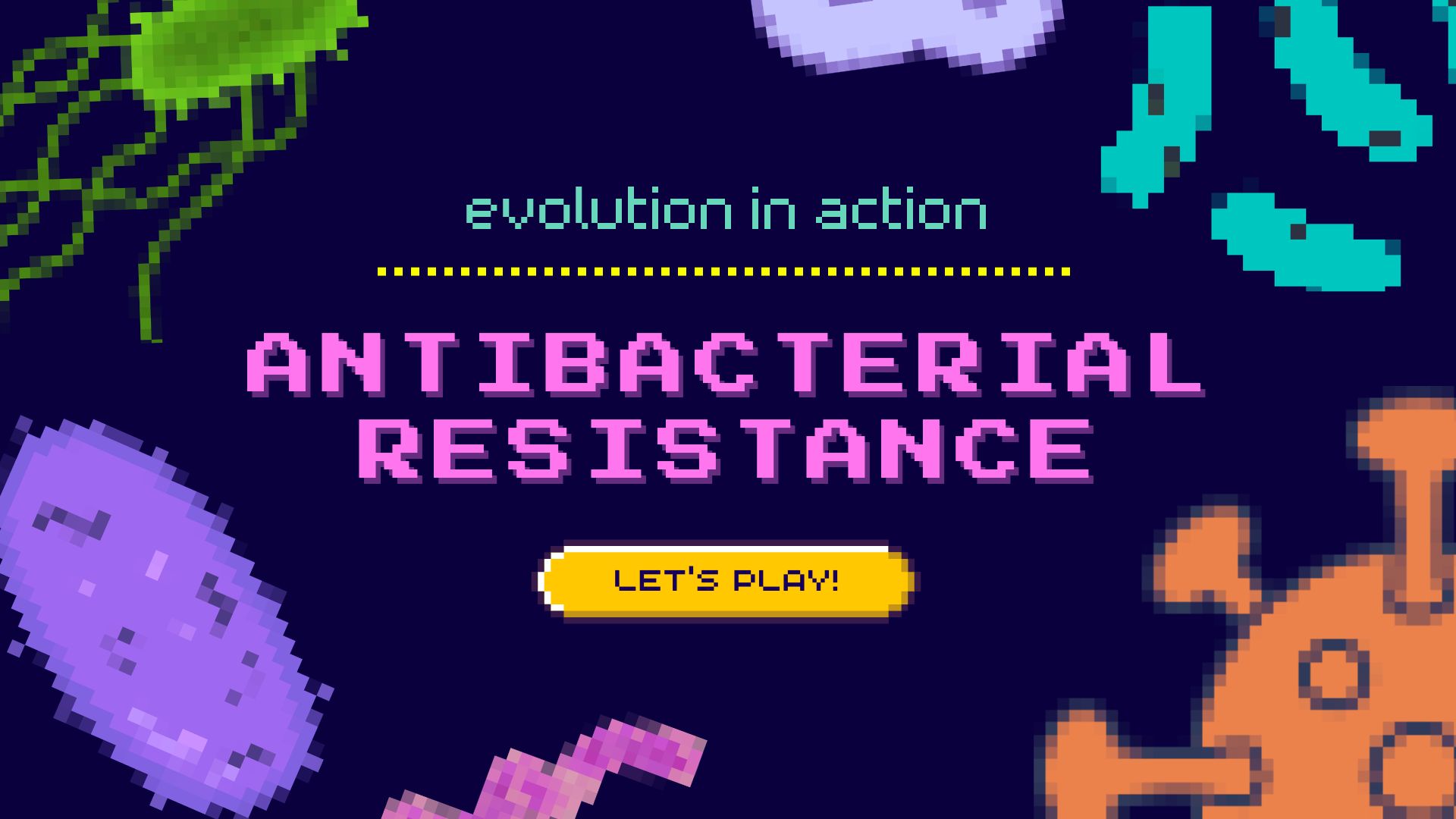
Students played a game that modeled bacterial evolution to learn about the mechanisms of natural selection and resistance.
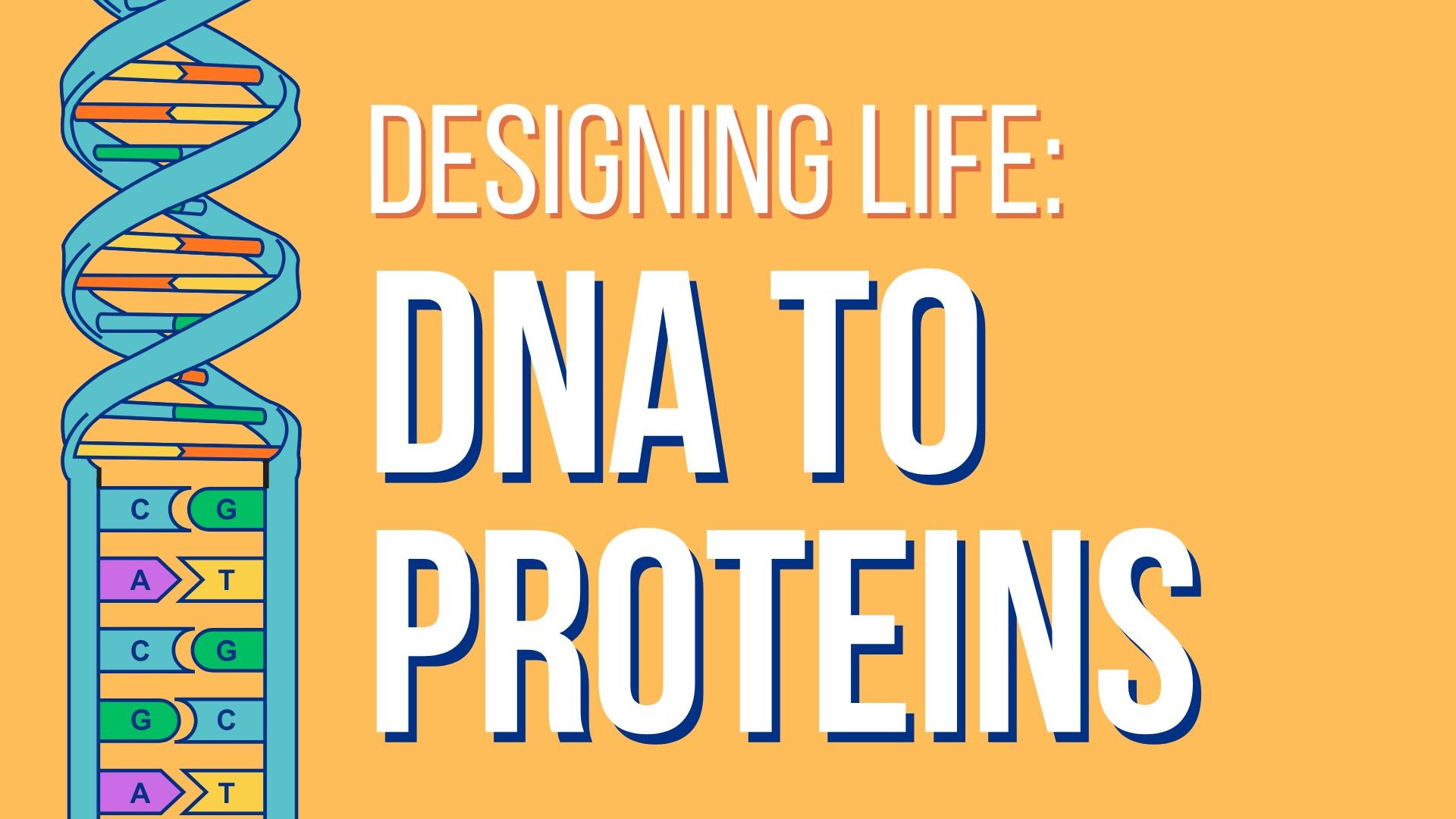
Students learned about the processes of DNA transcription and translation through modeling with pipe cleaners and beads to represent DNA nucleotides.
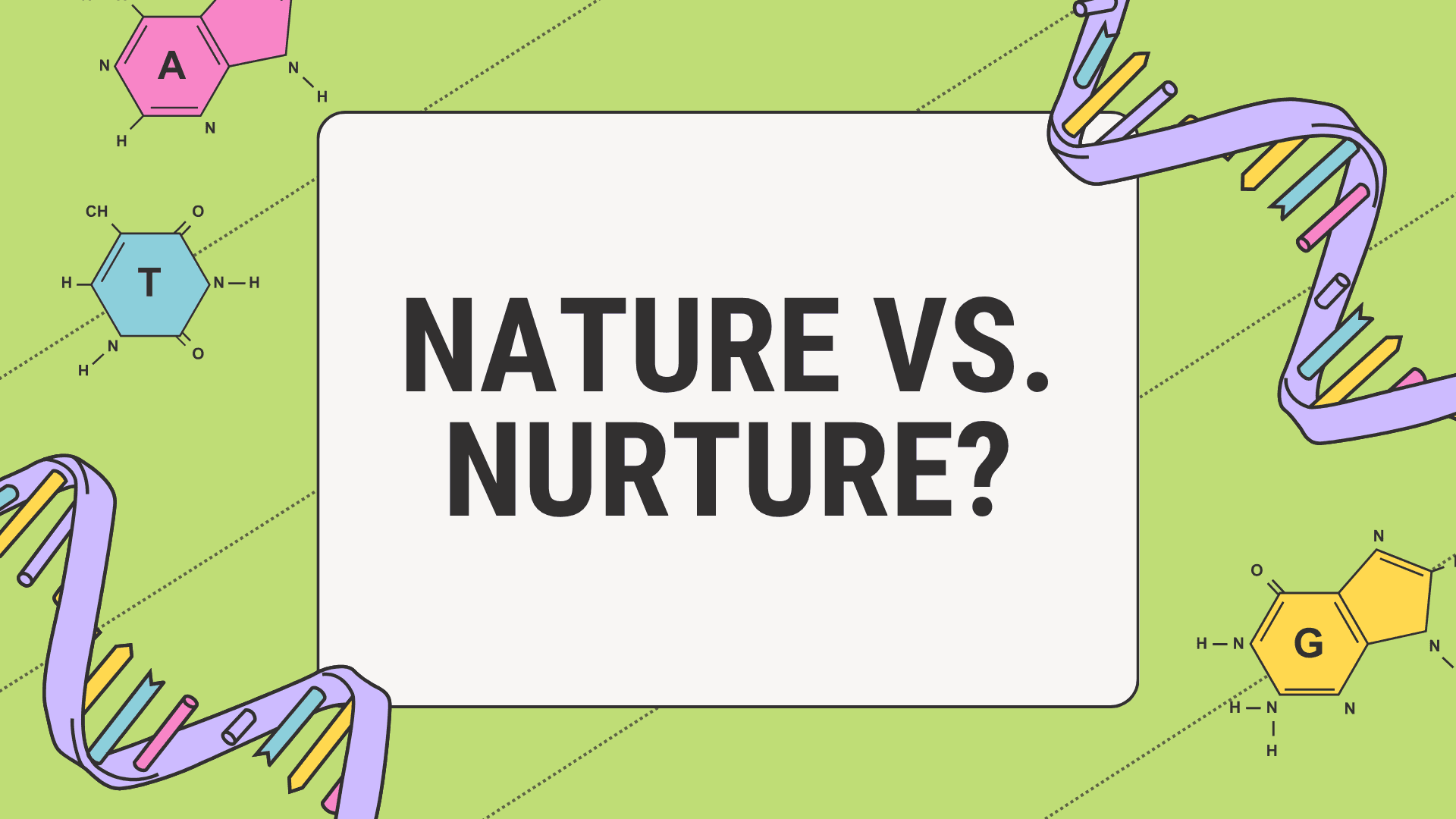
Students learned about how development and differentiation are affected by both genetics and environmental factors and explored the genetic-environmental interactions in complex diseases. 
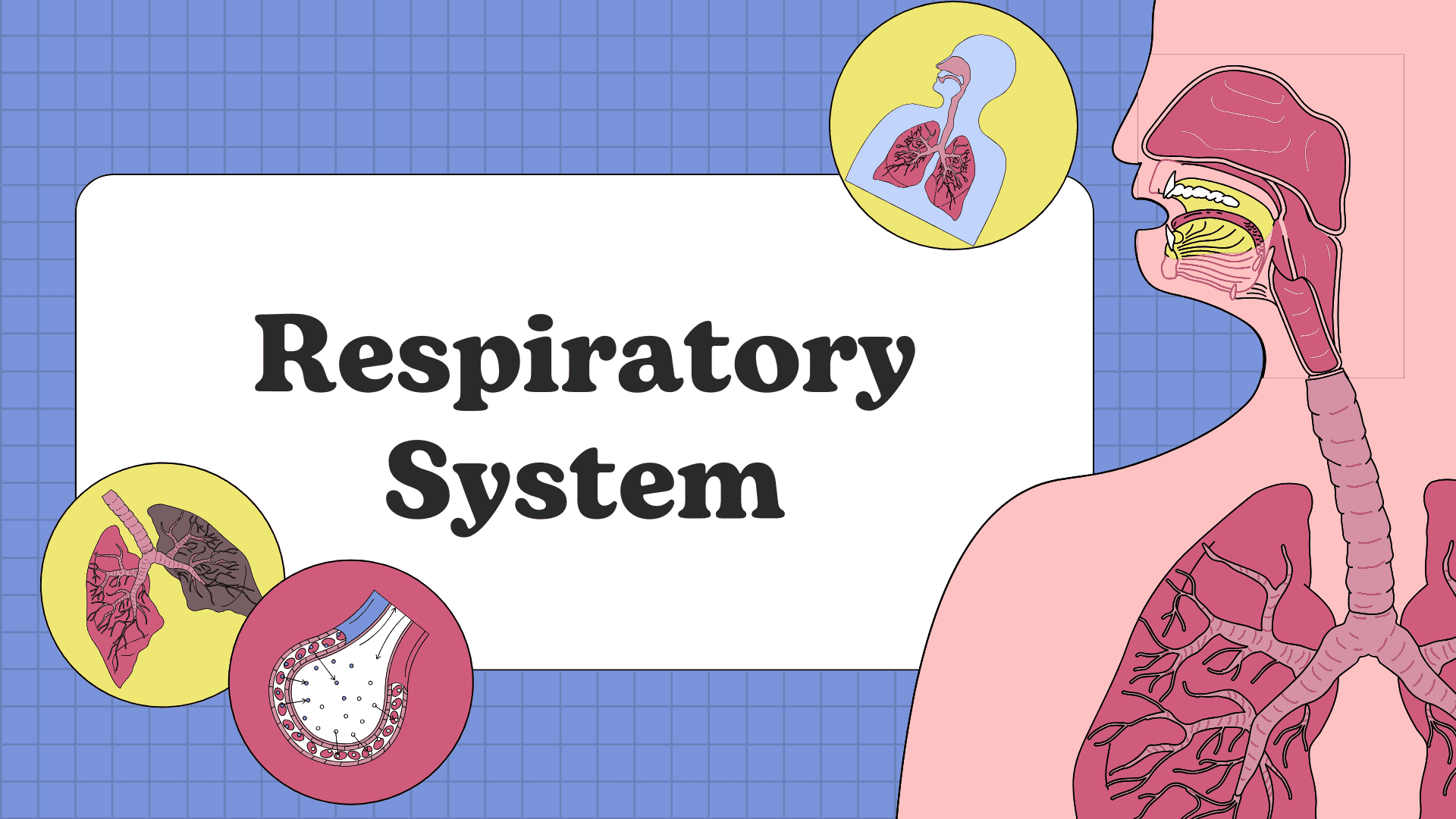
Students built balloon-lung models to learn how the respiratory system brings oxygen into the body and removes carbon dioxide.
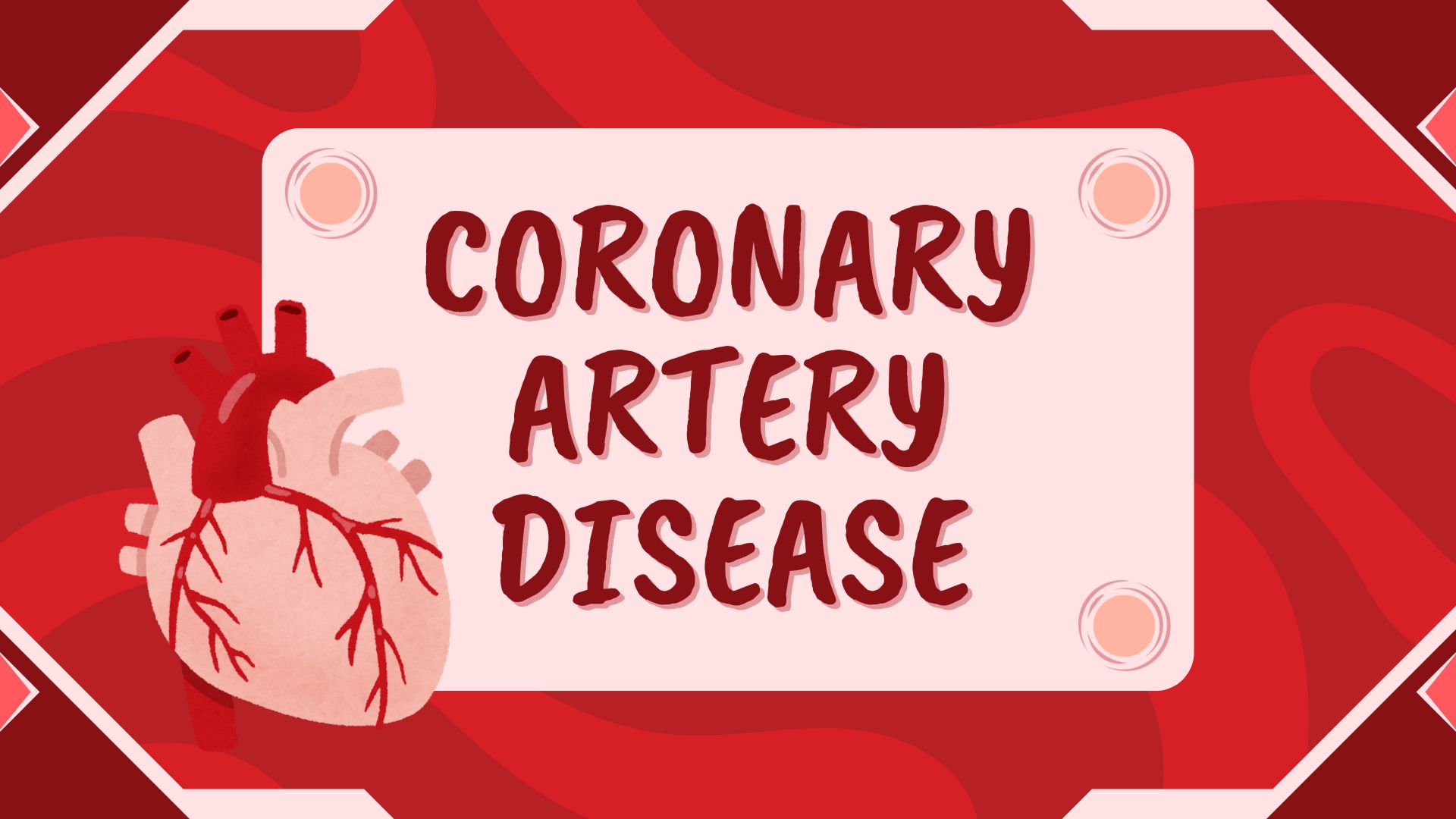
Students learned about the development of coronary artery disease by modeling how cholesterol and plaque affect blood flow in arteries.
Students learned about the difference between meiosis and mitosis, as well as the importance of meiosis for reproduction and increased genetic diversity.

BIOART LAB © 2026

BIOART LAB © 2026